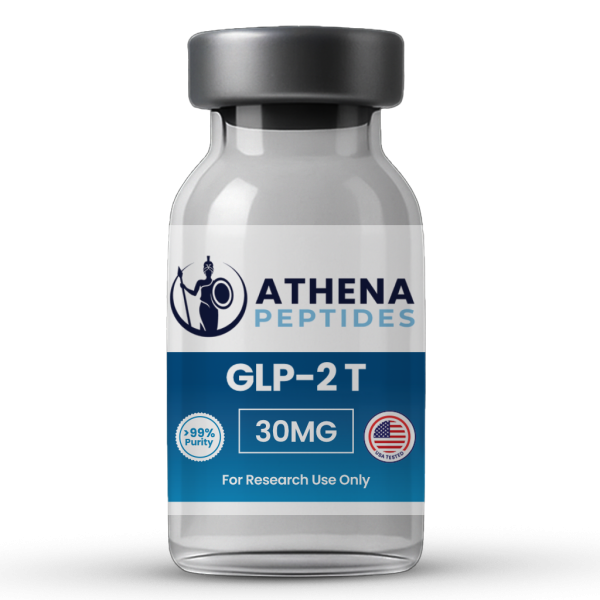
GLP-3 R 20MG
$120.00MG
Overview:
GLP3-R is a groundbreaking triple-action research peptide that works on three different hormone receptors at once; a triple receptor agonist (GLP-1, GIP, and glucagon receptors). Studies show this unique approach makes it promising for metabolic research. In recent clinical trials, researchers observed significant effects on body weight and blood sugar levels. Scientists are excited about GLP3-R’s potential for studying weight management, energy balance, and glucose control.
Details:
- Purity: ≥ 98% (HPLC)
- Molecular Formula: Proprietary sequence
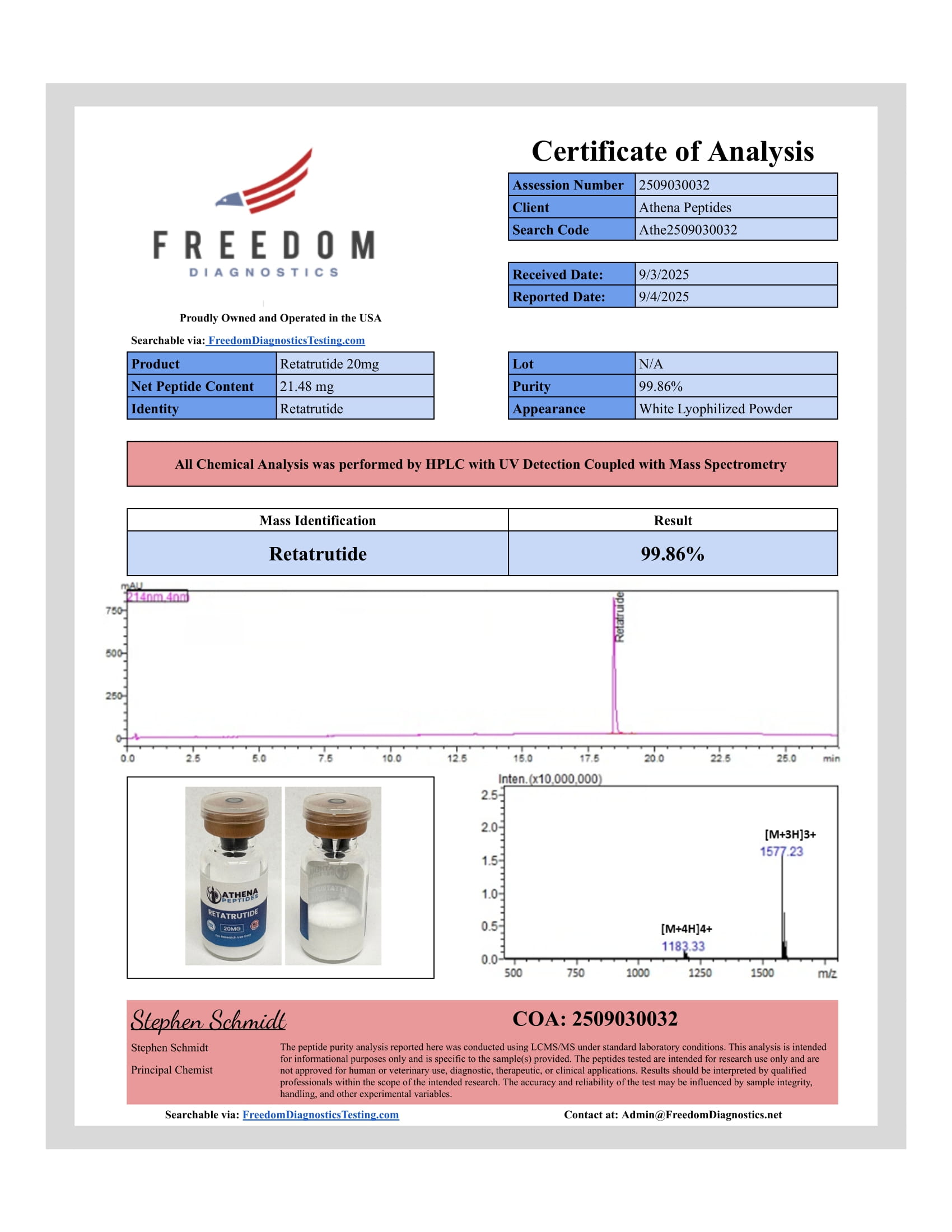
- Molecular Weight: Varies by batch – COA available
- Form: Lyophilized powder
- Storage: Store at –20°C
- Intended Use: Research use only. Not for human or veterinary administration.
Applications:
Used in metabolic research for its potential role in appetite regulation, glucose metabolism, and thermogenic pathways.
In stock
Overview
Imagine your body’s metabolism as a complex orchestra, with different hormones playing various instruments to create the symphony of energy balance. GLP3-R acts like a master conductor who can direct three different sections of this orchestra simultaneously – the GLP-1, GIP, and glucagon sections – creating a more harmonious and powerful metabolic response than any single hormone could achieve alone.
GLP3-R represents a groundbreaking advancement in peptide research, offering scientists a unique triple-receptor agonist that targets multiple metabolic pathways simultaneously. This synthetic peptide has captured the attention of researchers worldwide due to its unprecedented ability to activate three critical hormone receptors involved in weight management and glucose control.
Key Characteristics
MOLECULAR PROFILE
- Formula: C221H342N46O68
- Weight: 4191.7 g/mol
- CAS: 2381089-83-2
- Targets: GLP-1, GIP, Glucagon receptors
PHYSICAL PROPERTIES
- Form: Lyophilized powder (white to off-white)
- Solubility: Water-soluble
- Storage: Keep refrigerated 36‑46 °F (2‑8 °C)
- Reconstitution: Mix with bacteriostatic water
How It Works
Triple-Receptor Activation
GLP-1 Receptor
Triggers insulin release when blood sugar is high, slows stomach emptying, and reduces appetite signals.
GIP Receptor
Enhances insulin response and influences fat metabolism pathways for improved metabolic efficiency.
Synergistic Effects
Glucagon Receptor
Helps the body burn stored fat for energy and maintains healthy blood sugar levels between meals.
Synergistic Effect
The triple-action approach creates a comprehensive metabolic response more effective than single-pathway targeting.
Research Findings
Weight Management Studies
Preclinical research has demonstrated significant weight reduction in laboratory models with dose-dependent effects and synergistic triple-receptor mechanisms.
- Significant weight reduction in laboratory models
- Dose-dependent effects with higher doses showing greater outcomes
- Synergistic effects surpassing single or dual-receptor agonists
- Sustained weight management over extended periods
Metabolic Health Research
Laboratory investigations have revealed comprehensive improvements across multiple metabolic markers and pathways in research models.
- Enhanced glucose homeostasis and insulin sensitivity
- Improved lipid profiles in research models
- Reduced inflammatory markers
- Better energy expenditure patterns
Comparative Studies
When compared to other GLP-1 receptor agonists, GLP3-R has demonstrated superior outcomes in weight reduction and metabolic improvements.
- Superior weight reduction compared to single-receptor compounds
- Enhanced metabolic improvements beyond GLP-1 alone
- Addition of GIP and glucagon activation provides unique benefits
- Improved therapeutic potential in research settings
Clinical Translation Research
Phase 2 trials have shown promising results for obesity and type 2 diabetes applications with significant clinical improvements.
- Phase 2 trial results showing substantial weight loss
- Improved glycemic control in diabetes research
- Cardiovascular and metabolic benefits
- Potential for transforming metabolic disorder treatment
Potential Side Effects in Research
Gastrointestinal Effects
Mild nausea, reduced appetite, and slower gastric emptying have been noted in research models during administration.
Cardiovascular Observations
Slight increases in heart rate have been documented in some studies, requiring careful monitoring.
Injection Site Reactions
Some research subjects showed minor irritation at administration sites, typically mild and transient.
Blood Sugar Considerations
While rare, hypoglycemia has been observed, particularly when combined with other glucose-lowering agents.
References
- Jastreboff, A. M., et al. (2023). “Triple-Hormone-Receptor Agonist GLP3-R for Obesity — A Phase 2 Trial.” New England Journal of Medicine, 389, 514-526.
- Rosenstock, J., et al. (2023). “GLP3-R, a GIP, GLP-1 and glucagon receptor agonist, for people with type 2 diabetes: a randomised, double-blind, placebo and active-controlled, parallel-group, phase 2 trial.” The Lancet, 402(10401), 529-544.
- Urva, S., et al. (2023). “GIP, GLP-1, and Glucagon Receptor Agonist GLP3-R Improves Glycemic Control and Reduces Body Weight in Patients with Type 2 Diabetes.” Diabetes, 72(Supplement_1).
- Coskun, T., et al. (2023). “LY3437943, a novel triple glucagon, GIP, and GLP-1 receptor agonist for glycemic control and weight loss: From discovery to clinical proof of concept.” Nature Medicine, 29, 2300-2312.
- Wang L, et al. (2024). “Effects of once-weekly subcutaneous reta on weight and metabolic markers: A systematic review and meta-analysis.” Diabetes Obes Metab, 26(12), 5521-5533.