
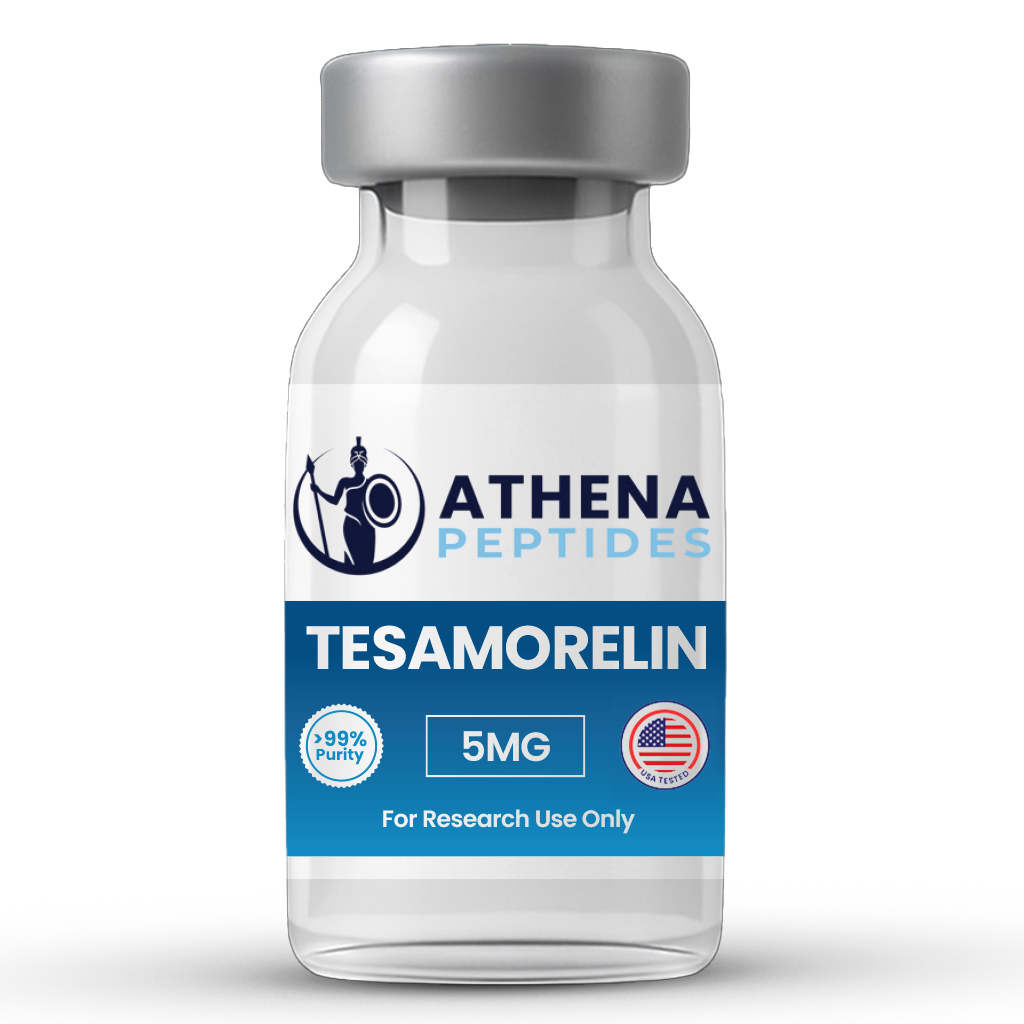
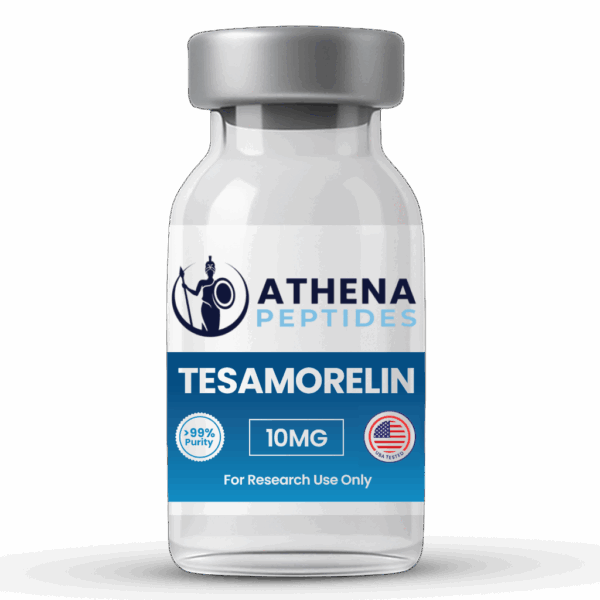
Tesamorelin 5MG
$34.00MG
Descriptor:
Research shows Tesamorelin may help reduce stubborn belly fat by up to 25%, making it a powerful tool for metabolic studies. This synthetic growth hormone-releasing peptide stimulates your body’s natural hormone production. Studies suggest it may also improve liver health, support brain function, and help maintain muscle mass. Scientists are excited about its potential for addressing age-related metabolic changes.
Details:
- Purity: ≥ 98% (HPLC)
- Molecular Formula: C21H27N7O14P2
- Molecular Weight: 663.43 g/mol
- Form: Lyophilized powder
- Storage: –20°C, desiccated, protected from light
- Solubility: Water, PBS, or buffer (pH ~7)
Intended Use:
For research purposes only.
In stock
Overview
Key Characteristics
MOLECULAR PROFILE
- Formula: C221H366N72O67S
- Weight: 5135.9 g/mol
- CAS: 218949-48-5
- Alternative Names: TH9507, Egrifta
PHYSICAL PROPERTIES
- Form: Lyophilized white to off-white powder
- Solubility: Water-soluble
- Endotoxin: <0.25 EU/mL
- Structure: 44 amino acid peptide
How It Works
Primary Mechanisms
GHRHR Receptor Binding
Binds to growth hormone-releasing hormone receptors in the pituitary
Growth Hormone Release
Triggers cascade resulting in increased GH secretion
IGF-1 Stimulation
Promotes production of insulin-like growth factor-1 in the liver
Physiological Effects
Pulsatile Release Pattern
Works with body’s natural rhythms for physiological response
Selective Action
Targeted approach avoiding constant hormone flooding
Metabolic Regulation
Influences fat metabolism and insulin sensitivity
Research Findings
Visceral Fat Reduction
- 15-20% reduction in visceral adipose tissue over 6 months
- Selective targeting of fat around internal organs
- Valuable tool for metabolic syndrome research
- Maintained effects with continued administration
Metabolic Health Improvements
- Enhanced insulin sensitivity markers
- Improved glucose metabolism
- Better cellular response to insulin
- Potential applications in diabetes research
Cognitive Function Support
- Improvements in mild cognitive impairment subjects
- Enhanced executive function performance
- Potential role in maintaining neuroplasticity
- Growth hormone’s influence on brain health
Body Composition Changes
- Increased lean muscle mass retention
- Enhanced strength and performance metrics
- Relevant for aging and sarcopenia research
- Improved overall body composition ratios
Bone Health Potential
- Support for bone density maintenance
- Effects mediated through GH and IGF-1
- Interest in osteoporosis research applications
- Further studies needed for confirmation
Potential Side Effects in Research
Injection Site Reactions
Redness, swelling, or irritation at administration sites
Hypersensitivity
Rare allergic reactions documented in clinical studies
Fluid Retention
Edema, particularly in extremities, observed in some subjects
Neurological Effects
Headaches and dizziness in some research participants
Joint Discomfort
Reports of arthralgia or joint pain in research settings
Gastrointestinal
Digestive disturbances reported in experimental models
References
- Makimura H, et al. “Tesamorelin reduces visceral adipose tissue and liver fat in INSTI-treated persons with HIV.” Open Forum Infect Dis. 2023.
- Stanley TL, et al. “Effects of tesamorelin on inflammatory markers in HIV patients with excess abdominal fat.” AIDS. 2013.
- Samaras K, et al. “Effect of tesamorelin in people with HIV with and without dorsocervical fat: Post hoc analysis of phase III trial.” HIV Med. 2023.
- Makimura H, et al. “Metabolic effects of a growth hormone-releasing factor in visceral adiposity.” J Clin Endocrinol Metab. 2018.
- Vilar L, et al. “Growth hormone-releasing hormone analogs and cognitive function.” Pituitary. 2017.
- Clemmons DR. “The relative roles of growth hormone and IGF-1 in metabolic regulation.” Growth Horm IGF Res. 2019.
- Friedman SD, Baker LD, et al. “Growth hormone-releasing hormone effects on brain γ-aminobutyric acid levels in mild cognitive impairment.” JAMA Neurol. 2013.
- Stanley TL, Grinspoon SK. “Growth hormone-releasing hormone in HIV-associated lipodystrophy: Current evidence and future directions.” Front Endocrinol. 2024.
- Fourman LT, et al. “Effects of tesamorelin on hepatic transcriptomic signatures.” JCI Insight. 2020.