
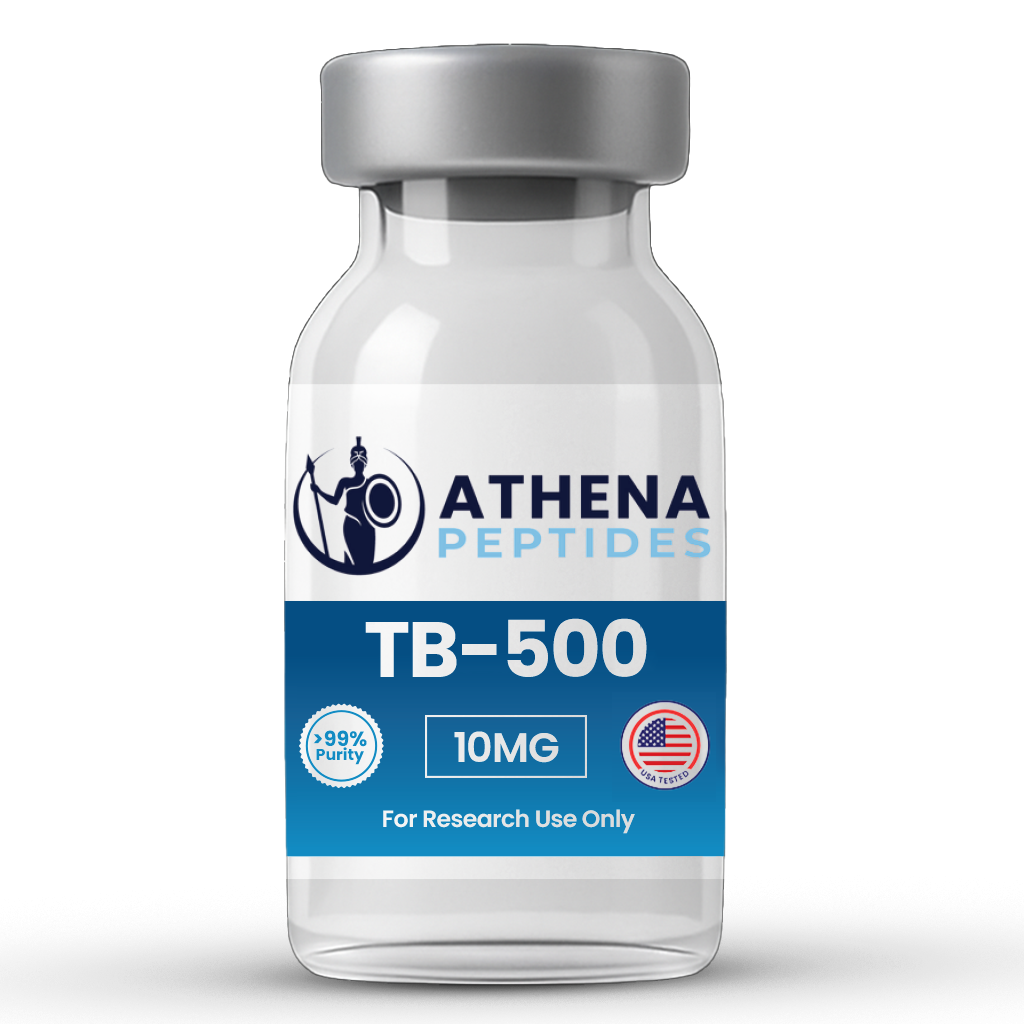
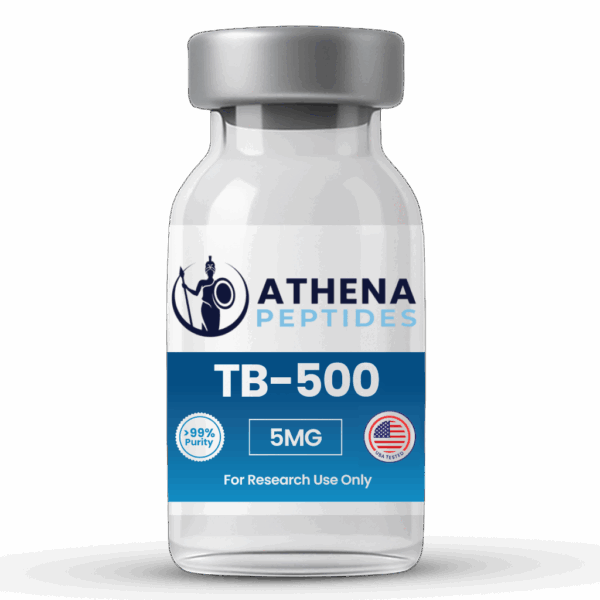
TB-500 10MG
$54.00MG
Descriptor:
Oxidized Form | Metabolic Coenzyme
Details:
- Purity: ≥ 98% (HPLC)
- Molecular Formula: C21H27N7O14P2
- Molecular Weight: 663.43 g/mol
- Form: Lyophilized powder
- Storage: –20°C, desiccated, protected from light
- Solubility: Water, PBS, or buffer (pH ~7)
Intended Use:
For research purposes only.
In stock
Overview
TB-500, the synthetic version of Thymosin Beta-4, functions like a cellular repair crew supervisor in research settings. Just as a construction foreman coordinates different teams to rebuild after damage, TB-500 appears to orchestrate various cellular processes involved in tissue repair and regeneration. This peptide has captured researchers’ attention for its wide-ranging effects on healing and recovery mechanisms observed in laboratory studies.
Originally discovered as part of the thymus gland’s natural peptide production, TB-500 represents a targeted approach to understanding how the body coordinates repair processes. This product is exclusively for laboratory research and not for human or animal use.
Key Characteristics
MOLECULAR PROFILE
- Formula: C212H350N56O78S
- Weight: 4963.4 g/mol
- CAS: 77591-33-4
- Structure: 43 amino acid peptide
PHYSICAL PROPERTIES
- Form: Lyophilized powder
- Solubility: Water-soluble
- Appearance: White to off-white powder
- Storage: Store in freezer for long-term stability
How It Works
Primary Mechanisms
Actin Polymerization
Helps individual actin proteins link together into functional structures
Cell Migration Enhancement
Cell Migration Enhancement Facilitates movement of repair cells to injury sites
Cellular Effects
Angiogenesis Promotion
Formation of new blood vessels
Gene Regulation
Regulation of inflammation-related genes
Tissue Remodeling
Coordination of tissue repair and remodeling
Research Findings
Wound Healing Enhancement
Laboratory studies have demonstrated TB-500’s ability to accelerate wound closure through multiple mechanisms:
- Enhanced migration of keratinocytes (skin cells)
- Increased fibroblast activity for collagen production
- Stimulation of angiogenesis for nutrient delivery
- Creation of new blood vessel networks
Anti-Inflammatory Properties
- Reduction of pro-inflammatory cytokine production
- Increase in anti-inflammatory cytokine levels
- Balanced approach to inflammation management
- Promise in experimental inflammatory models
Hair Growth Stimulation
- Increased hair follicle size
- Promotion of telogen to anagen phase transition
- Enhanced understanding of hair growth mechanisms
- Potential applications in alopecia research
Neuroprotective Effects
- Reduction of neuroinflammation
- Decrease in oxidative stress markers
- Limited apoptosis in stressed neural cells
- Potential for neurodegenerative research
Cardiovascular Benefits
- Reduced infarct size following simulated heart attacks
- Improved overall cardiac function
- Promotion of new blood vessels in damaged tissue
- Enhanced cardiac tissue repair mechanisms
Potential Side Effects in Research
Local Reactions
Injection site reactions observed in test subjects during controlled studies
Neurological
Headache occurrences and dizziness observations in experimental models
Systemic Effects
Nausea reports and fatigue in laboratory research settings
References
- Xing Y, et al. “Thymosin beta-4 denotes new directions towards developing prosperous anti-aging regenerative therapies.” Int Immunopharmacol. 2023.
- Wang L, et al. “Thymosin beta-4 improves endothelial function in diabetic endothelial cells via stem cell therapy.” Stem Cell Res Ther. 2022.
- Bako P, et al. “Thymosin beta-4: A potential tool in healing middle ear lesions in adult mammals.” Int Immunopharmacol. 2023.
- Qian L, et al. “Thymosin β4 preserves vascular smooth muscle phenotype in atherosclerosis via LRP1 regulation.” Int Immunopharmacol. 2023.
- Liu C, et al. “Protective effects of thymosin β4 against ethanol injury in corneal keratocytes.” BMC Ophthalmol. 2022.
