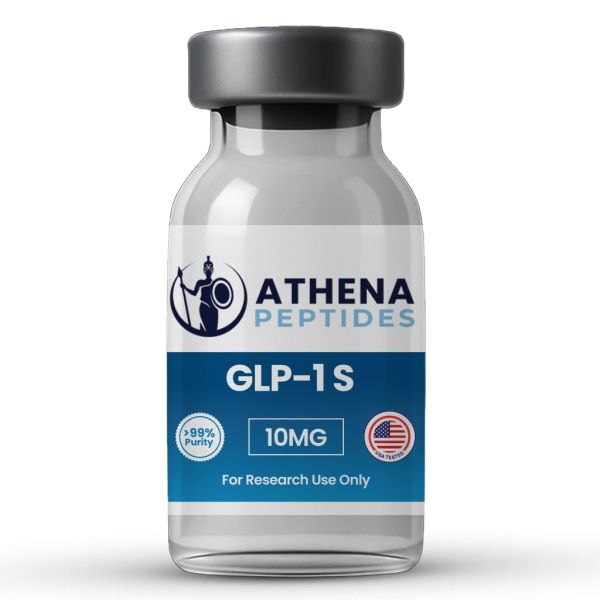
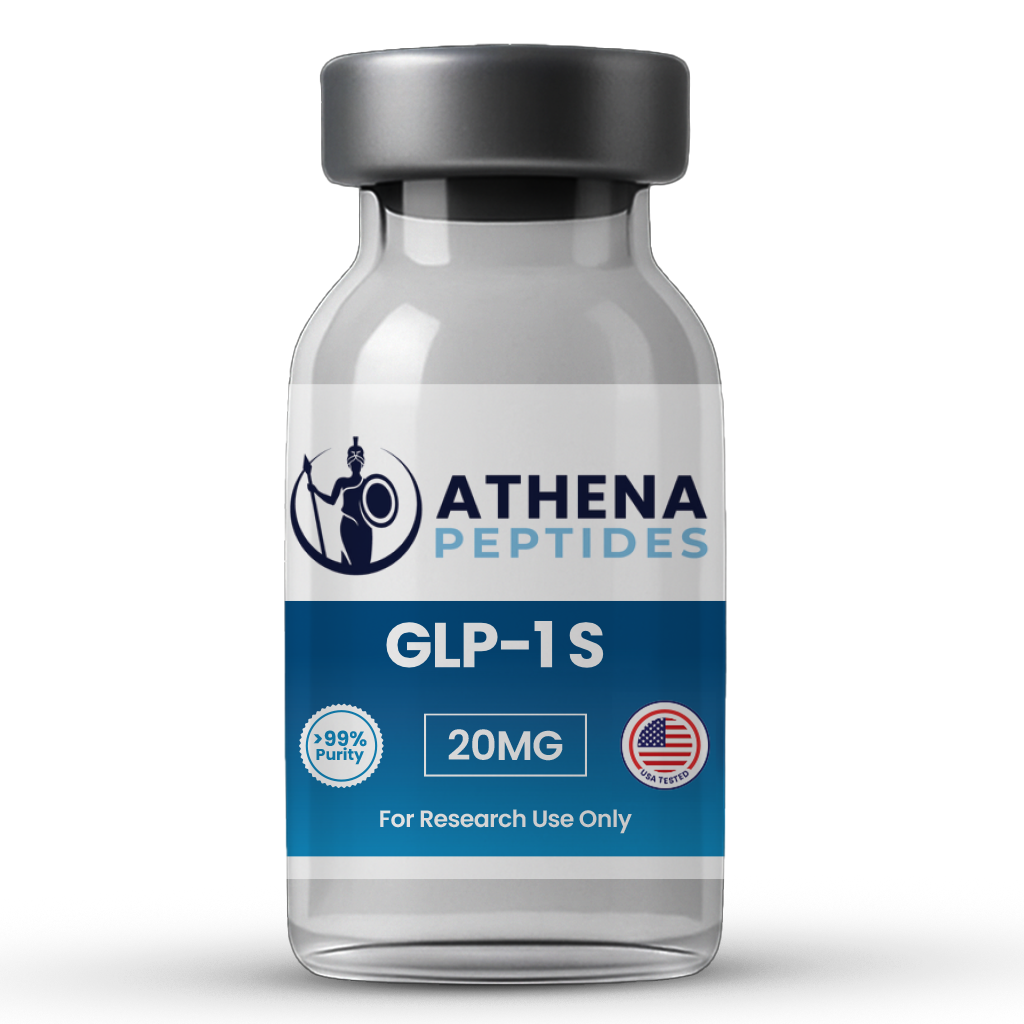
GLP-1 S 20MG
$79.99MG
Overview:
Researchers are exploring GLP1-S for its potential in weight management and blood sugar control. Studies suggest this long-acting compound may help scientists better understand metabolic health, appetite regulation, and cardiovascular wellness. Its once-weekly profile makes it especially useful for extended research projects. Each vial contains pure, lyophilized powder ready for reconstitution.
Details:
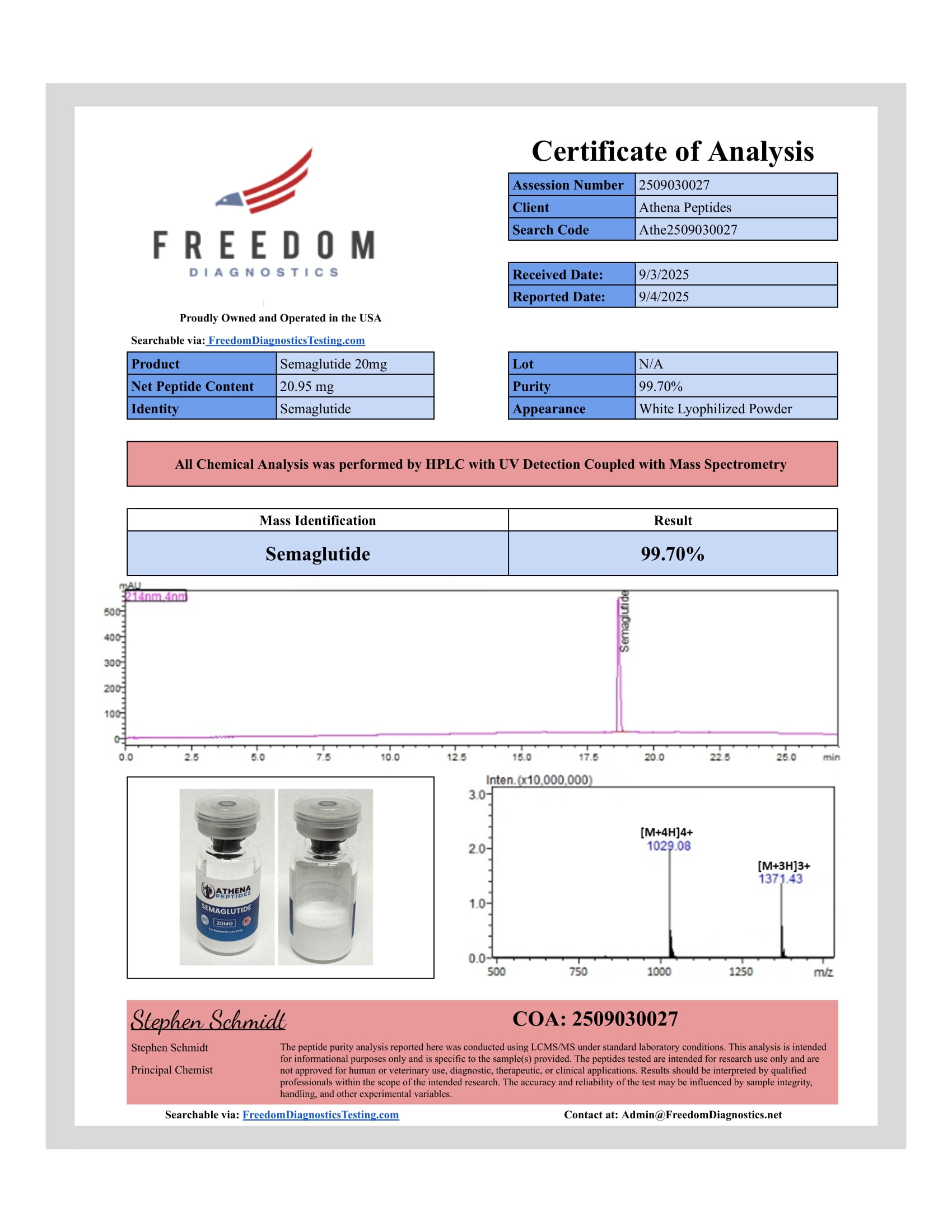
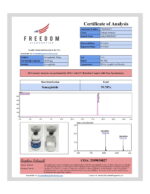
- Purity: ≥ 98% (HPLC)
- Molecular Formula: C187H291N45O59
- Molecular Weight: 4113.58 g/mol
- Form: Lyophilized powder
- Storage: –20°C in a dry, dark place
- Intended Use: For laboratory research only. Not for human consumption or diagnostic use.
Applications:
Semaglutide is commonly used in preclinical studies exploring metabolic pathways, GLP-1 receptor activation, and energy balance models.
In stock
Overview
GLP1-S represents a major advancement in GLP-1 receptor agonist research. By closely mimicking the body’s natural GLP-1 hormone but with dramatically extended activity, this peptide allows researchers to study metabolic processes with unprecedented precision.
What makes GLP1-S particularly valuable is its ability to influence multiple metabolic pathways simultaneously – from insulin secretion and appetite control to cardiovascular function – making it a versatile tool for comprehensive metabolic research.
Key Characteristics
MOLECULAR PROFILE
- Formula: C₁₈₇H291N45O59
- Weight: 4113.641 g/mol
- CAS: 910463-68-2
- Structure: Modified GLP-1 analog
PHYSICAL PROPERTIES
- Form: White lyophilized powder
- Solubility: Water-soluble
- Half-life: Extended duration
- Storage: Keep refrigerated 36‑46 °F (2‑8 °C)
How It Works
Primary Mechanisms
GLP-1 Receptor Activation
Binds to and activates GLP-1 receptors throughout the body
Glucose-Dependent Insulin Release
Stimulates insulin only when blood sugar is elevated
Glucagon Suppression
Reduces glucagon secretion from alpha cells
Gastric Emptying Delay
Slows food movement through the digestive system
Central Appetite Control
Acts on brain centers to reduce hunger and increase satiety
Metabolic Effects
Beta Cell Protection
Helps preserve pancreatic function
Improved Insulin Sensitivity
Enhances tissue response to insulin
Lipid Metabolism
Improves fat oxidation and reduces lipogenesis
Energy Homeostasis
Rebalances energy intake and expenditure
Research Findings
Extensive research has revealed GLP1-S’s remarkable potential across multiple therapeutic areas:
Glycemic Control
Studies demonstrate exceptional blood sugar management:
- Significant HbA1c reductions (1.5-2.0%)
- Improved fasting glucose levels
- Better postprandial glucose control
- Reduced glucose variability
- Low risk of hypoglycemia when used alone
SURPASS-2: Head-to-Head vs Semaglutide
1,879 T2D patients on metformin randomized to GLP2-T vs GLP1-S 1 mg for 40 weeks:
- Average weight loss of 15-20% in obesity
- Preferential loss of visceral fat
- Preservation of lean muscle mass
- Sustained weight loss maintenance
- Improvements in body composition
Cardiovascular Benefits
Studies reveal significant cardiovascular protection:
- Reduced major cardiovascular events
- Lower blood pressure
- Improved lipid profiles
- Decreased inflammation markers
- Better endothelial function
- Reduced atherosclerosis progression
Appetite & Satiety
Research demonstrates effects on eating behavior:
- Decreased hunger sensations
- Increased feelings of fullness
- Reduced food cravings
- Lower preference for high-fat foods
- Improved eating control
Metabolic Syndrome Components
Studies show comprehensive metabolic improvements:
- Reduced waist circumference
- Improved insulin resistance
- Better blood pressure control
- Enhanced HDL cholesterol
- Decreased triglycerides
Liver Health
Research indicates hepatic benefits:
- Reduced liver fat content
- Improved NAFLD/NASH markers
- Better liver enzyme profiles
- Decreased hepatic inflammation
- Potential fibrosis improvement
Kidney Function
Studies suggest renal protection:
- Reduced albuminuria
- Slower kidney function decline
- Lower kidney disease progression
- Improved renal outcomes in diabetes
Potential Side Effects in Research
Gastrointestinal
Nausea (most common), vomiting, diarrhea, constipation
General
Occasional headaches, initial fatigue
Appetite
Decreased appetite (often desired effect)
Rare
Gallstone formation
Injection Site
Mild local reactions
References
- Wilding JPH, et al. “Once-Weekly GLP1-S in Adults with Overweight or Obesity.” N Engl J Med. 2021.
- Kosiborod MN, et al. “GLP1-S in heart failure with preserved ejection fraction and obesity.” N Engl J Med. 2023.
- Ryan DH, et al. “GLP1-S for weight management and heart failure: The SELECT trial 4-year outcomes.” N Engl J Med. 2024.
- Liang W, et al. “GLP1-S and neuroprotection in Alzheimer disease: The EVOKE trials.” JAMA. 2024.
- Davies M, et al. “GLP1-S 2.4 mg once a week in adults with overweight or obesity.” Lancet. 2021.
- Perkovic V, et al. “Effects of GLP1-S on chronic kidney disease in type 2 diabetes.” N Engl J Med. 2024.
- Müller TD, et al. “GLP-1 receptor agonists for metabolic disorders: From mechanisms to medicines.” Nature. 2023.
- Lincoff AM, et al. “GLP1-S and cardiovascular outcomes in obesity without diabetes.” N Engl J Med. 2023.
- Newsome PN, et al. “A Placebo-Controlled Trial of Subcutaneous GLP1-S in NASH.” N Engl J Med. 2021.
- Rubino DM, et al. “Effect of weekly subcutaneous GLP1-S on weight loss maintenance.” JAMA. 2021.